
Bird Health Care
A Veterinary Guide for Pet Bird Owners
BIRDS
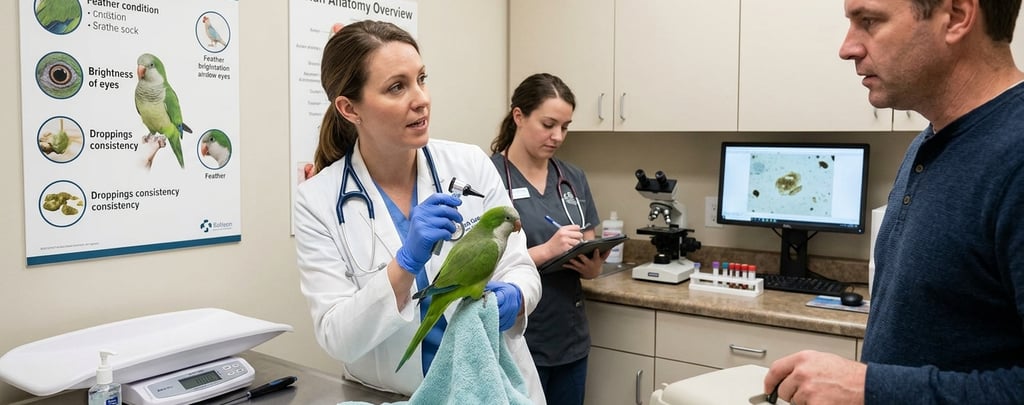
Birds are intelligent, sensitive, and delicate companions that require specialized veterinary care to stay healthy. Unlike dogs and cats, birds often hide signs of illness until the disease becomes advanced, making regular health monitoring extremely important.
At Himalayan Pet Clinic, we believe preventive healthcare, proper nutrition, and early diagnosis are the keys to maintaining a healthy and happy bird.
Why Bird Health Requires Special Attention
Pet birds have unique anatomy and metabolism. Small health problems can quickly become serious if ignored.
Common pet birds include:
Parrots
Budgies
Cockatiels
Lovebirds
Macaws
African Greys
Finches
Canaries
Each species has different nutritional, behavioral, and medical needs.
Common Signs of Illness in Birds
Birds naturally hide weakness to protect themselves in the wild. Pet owners should watch carefully for subtle changes.
Warning Signs Include:
Fluffed feathers for long periods
Reduced appetite
Weight loss
Nasal discharge
Sneezing
Breathing difficulty
Tail bobbing while breathing
Diarrhea
Change in droppings
Lethargy
Excessive sleeping
Feather plucking
Reduced vocalization
If any of these signs appear, immediate veterinary consultation is recommended.
Importance of Proper Nutrition in Birds
Poor diet is one of the biggest causes of illness in pet birds.
A Healthy Bird Diet Should Include:
1. Pellets
High-quality formulated pellets provide balanced nutrition.
2. Fresh Vegetables
Safe vegetables include:
Carrots
Spinach
Broccoli
Capsicum
Beans
3. Fruits (in moderation)
Apple
Papaya
Banana
Pomegranate
4. Seeds (limited quantity)
Seeds alone are not nutritionally complete and may cause obesity or liver disease.
Foods Toxic to Birds
Some human foods are dangerous and should never be given to birds.
Avoid:
Chocolate
Avocado
Caffeine
Alcohol
Onion
Garlic
Excess salt
Sugary foods
Respiratory Diseases in Birds
Birds have extremely sensitive respiratory systems.
Common Causes:
Smoke exposure
Aerosol sprays
Dust
Poor ventilation
Fungal infections
Bacterial infections
Symptoms:
Open-mouth breathing
Wheezing
Tail bobbing
Nasal discharge
Birds exposed to kitchen fumes, cigarette smoke, or strong perfumes are at higher risk.
Feather Picking and Behavioral Problems
Feather plucking is a common issue in parrots and companion birds.
Possible Causes:
Stress
Boredom
Loneliness
Skin infections
Nutritional deficiency
Hormonal imbalance
Birds require mental stimulation, toys, and social interaction for emotional health.
Importance of Regular Veterinary Checkups
Routine bird health checkups help detect diseases early before symptoms become severe.
Veterinary Bird Care May Include:
Physical examination
Weight monitoring
Nail trimming
Beak trimming
Fecal testing
Nutritional counseling
Parasite control
Annual wellness exams are strongly recommended for all pet birds.
Cage Hygiene and Environment
A clean environment plays a major role in preventing infections.
Bird Cage Care Tips:
Clean food and water bowls daily
Remove droppings regularly
Provide clean perches
Ensure proper ventilation
Avoid overcrowding
Give adequate sunlight exposure
Stress Management in Birds
Birds are emotionally sensitive animals.
Stress Triggers:
Sudden loud noises
Isolation
Frequent cage movement
Lack of sleep
Environmental changes
A stressed bird may stop eating or develop behavioral problems.
Emergency Bird Symptoms That Need Immediate Veterinary Care
Seek urgent veterinary attention if your bird has:
Difficulty breathing
Bleeding
Seizures
Severe weakness
Sudden collapse
Inability to perch
Egg-binding symptoms
Rapid weight loss
Bird emergencies can worsen very quickly due to their fast metabolism.
Preventive Bird Healthcare Tips
Provide balanced nutrition
Maintain cage hygiene
Avoid toxic fumes
Schedule regular veterinary visits
Monitor droppings daily
Provide mental stimulation and exercise
Isolate sick birds immediately
Birds require specialized veterinary care, proper nutrition, and a stress-free environment to live long and healthy lives. Early detection of illness and preventive healthcare can significantly improve a bird’s quality of life.
If you are looking for professional avian healthcare and bird treatment services in Bengaluru, visit Himalayan Pet Clinic for expert veterinary guidance and compassionate bird care.
Our Services
Veterinary Consultation
Vaccination & Preventive Care
Diagnostic Services
Pet Grooming & Spa
Pet Dental Care
Pet Food & Accessories
Professional Pet Photoshoot
Quick Links
Privacy Policy
Contact Us
📞 +91 78999 10253
💬 WhatsApp
📍 No 381/1, 17th C main, 15th Cross, 4th Sector, HSR Layout
🕒 Mon–Sat: 9:00 AM – 9:00 PM
© 2026 Himalayan Pet & Vet Care. All Rights Reserved.
Designed with care for pets and pet parents 🐾